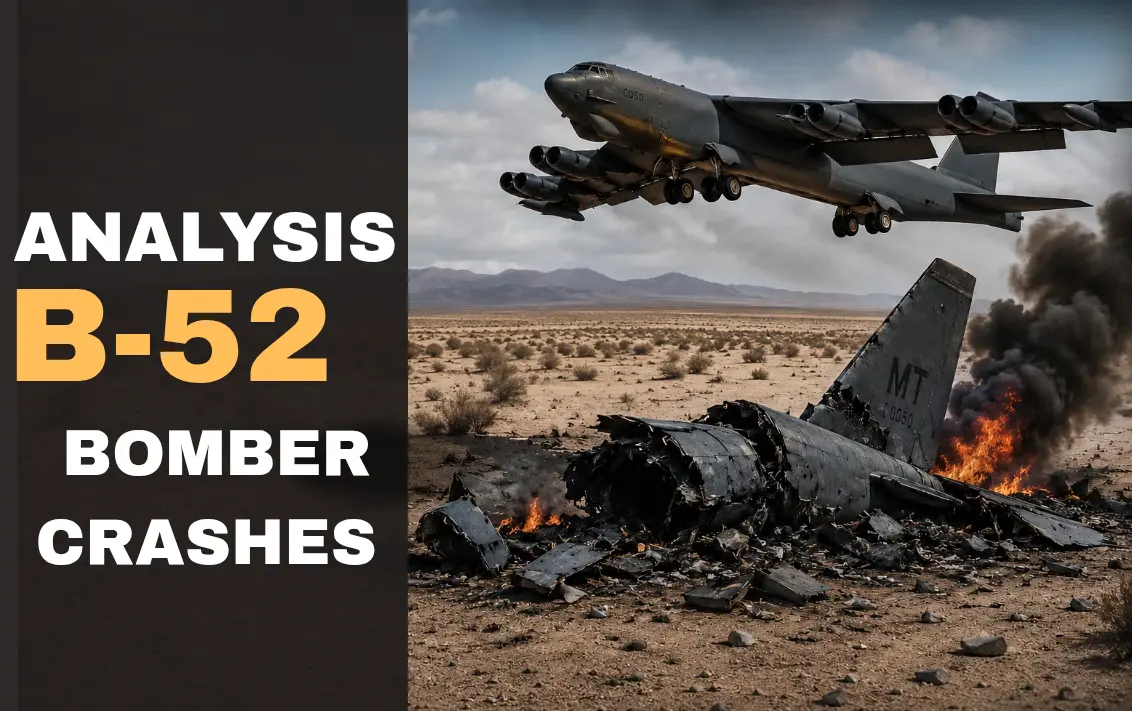
The B52 Fleet: Balancing Modernization and Flight Safety
Many other incidents have involved mechanical failure or environmental factors. Each accident has provided investigators with valuable information that has helped the Air Force identify weaknesses and implement improvements.
These investigations often lead to changes in maintenance procedures, pilot training programs, and aircraft modernization efforts. Despite these failures, the B52 has continued to play a vital role in the United States’ defense strategy. The bomber is capable of carrying both conventional and nuclear weapons and has participated in numerous military operations around the world. Its long-range capabilities and adaptability have allowed it to remain relevant in the modern era.
To extend the service life of older aircraft, military experts believe that a balance between modernization and safety is needed. Upgrading radar systems, engines, and communications equipment can improve performance, but ongoing monitoring and maintenance are equally important.
History shows that B52 bombing and flight safety depend on careful planning, advanced technology, and strict adherence to operational guidelines. While the accidents from these incidents were unfortunate, the lessons learned have helped strengthen military aviation standards and reduce future risks. As the B52 fleet continues to serve, ongoing modernization programs and safety improvements will be essential to ensure that these historic aircraft remain reliable for years to come.