

Is Oil Dangerous for Your Health? In 2026
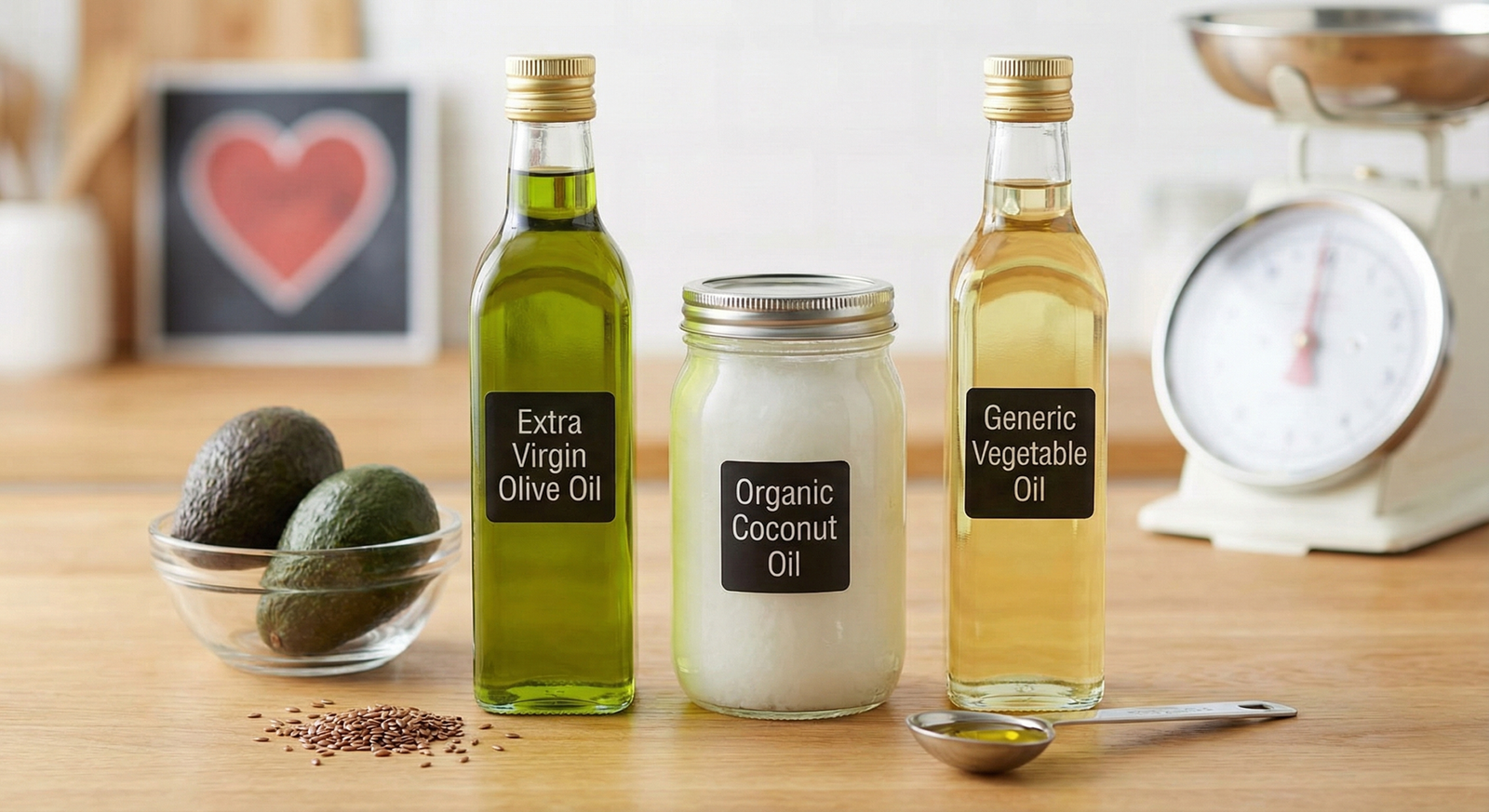
Table of Contents
Understanding Types
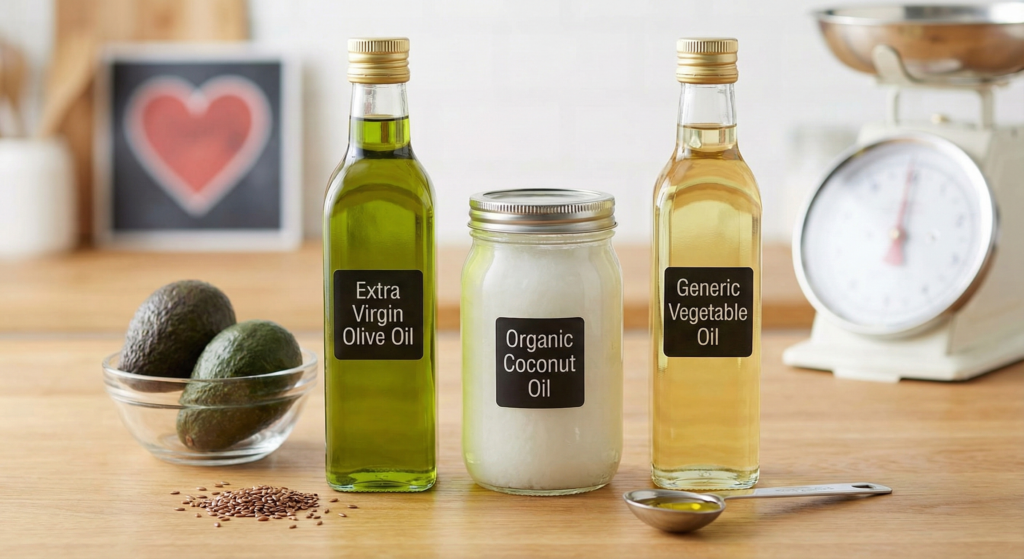
When discussing whether oil is dangerous to health, it’s crucial to differentiate between various types. Different oils, such as olive, coconut, and vegetable oil, have unique properties and health implications. While some oils are beneficial when used in moderation, others can pose significant health risks.
To keep it simple, categorize oils by their “job description.” Think of delicate fats like Extra Virgin Olive Oil or flaxseed as “finishing oils”—they are packed with flavor and nutrients but burn easily, turning toxic under high heat. Save them for salads. Conversely, robust options like Avocado Oil, Ghee, or Rice Bran are “cooking oils” with a high smoke point, meaning they remain stable during frying or sautéing. Understanding this distinction is vital; using the wrong oil doesn’t just ruin the taste, it can chemically alter a healthy fat into a harmful one.
Health Risks of Overconsumption
One of the primary concerns regarding consumption is the high caloric content. Excessive intake can lead to weight gain and heart-related issues. Furthermore, certain oils, particularly those high in saturated fats, may contribute to an increased risk of heart disease. Medical experts recommend limiting these oils and opting for healthier alternatives.
The Hidden Cost of the “Heavy Pour”: Risks of Overconsumption
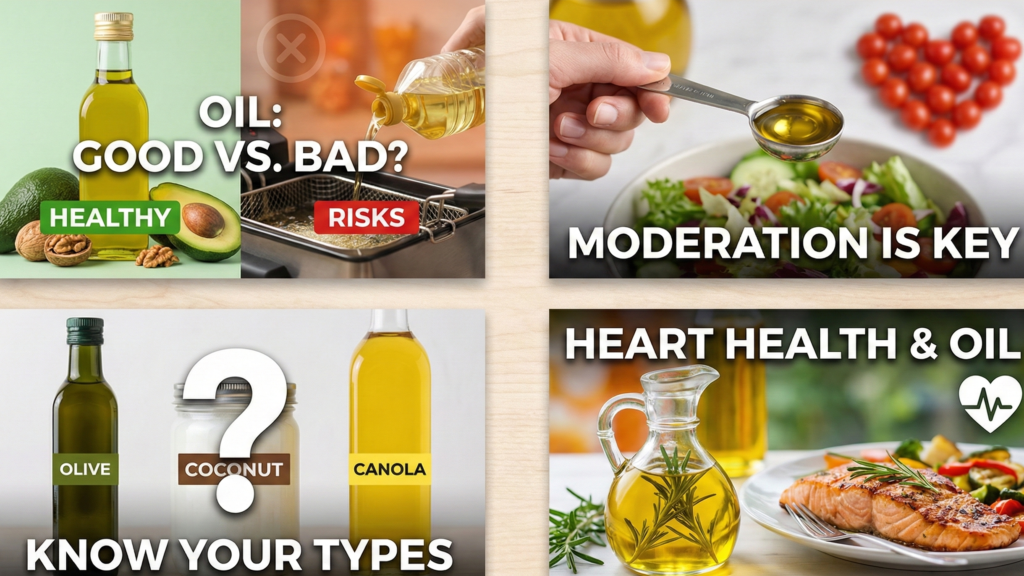
We often underestimate the sheer potency of oil. In the kitchen, it adds gloss and flavor, but physiologically, it is the most calorie-dense food group in existence. Just a heavy hand while pouring can instantly turn a healthy vegetable stir-fry into a caloric bomb equivalent to a fast-food burger. The most immediate and visible consequence of this habit is weight gain leading to obesity. Since oil contains nine calories per gram—more than double that of proteins or carbohydrates—these excess calories are swiftly stored as visceral fat, particularly around the midsection, which is metabolically dangerous.
However, the internal damage is far more insidious than just a number on a scale. Consuming too much oil, especially refined seed oils or those high in saturated fats, wreaks havoc on your lipid profile. It creates a surge in LDL cholesterol (the “bad” kind) while often suppressing the protective HDL. Over time, this imbalance accelerates plaque buildup in the arteries (atherosclerosis), narrowing the blood vessels and forcing your heart to pump harder. This is a direct gateway to hypertension and an increased risk of stroke or heart attack.
We must address the “invisible” impact. Modern diets are often drowning in Omega-6 fatty acids found in cheap vegetable oils. An excessive intake here triggers chronic inflammation, a silent driver behind joint pain, constant fatigue, and even metabolic disorders like Type 2 diabetes. Digestion also suffers; heavy, greasy meals delay gastric emptying, leaving you feeling sluggish, bloated, and lethargic. Treating oil as a flavor enhancer rather than a main ingredient is crucial for long-term vitality.
Benefits of Healthy Oils
On the other hand, not all are harmful. For instance, olive oil is recognized for its numerous health benefits, including anti-inflammatory properties and cardiovascular health benefits. Omega-3 fatty acids found in oils like flaxseed or fish oils are crucial for brain health. Hence, moderation and choice are key when integrating oils into your diet. Health professionals advise focusing on healthier options that provide essential nutrients without compromising health risks.
Beyond just protecting your heart, healthy oils act as the body’s ultimate delivery system. They are essential for nutrient absorption, ensuring that fat-soluble vitamins like A, D, E, and K actually get used by your system rather than flushed away. Oils rich in antioxidants, such as avocado or walnut oil, also act as internal moisturizers, promoting skin elasticity and a natural skin glow. Furthermore, good fats are the building blocks for hormone production and vital cell integrity. It’s not about eliminating fat, but upgrading the quality to fuel your body efficiently.
In conclusion, while some can be detrimental to health if consumed excessively, others offer significant benefits when used in moderation. Opting for high-quality, nutritious oils in moderation is essential for maintaining a balanced diet and overall well-being.
2 thoughts on “Is Oil Dangerous for Your Health? In 2026”
Comments are closed.
**mitolyn reviews**
Mitolyn is a carefully developed, plant-based formula created to help support metabolic efficiency and encourage healthy, lasting weight management.
Hello my family member! I wish to say that this post is amazing, nice written and come with almost all vital infos. I’d like to peer extra posts like this .